
For the last two years at PY Summer Camp, we have run seminars that explore topics of interest for smaller groups of campers, also giving our leaders the opportunity to design and deliver their own sessions. This helps them build confidence and develop their skills presenting to an unfamiliar audience.
In 2025, seminars were held on a range of topics including…
- Can I be Christian and doubt?
- What does it look like to be a Christian in the creative arts industry ?
- My money or God’s: How do I invest it wisely?
- How do I use my music gifts?
- What’s it look like to be a Christian with neurodiversity?
- A Christian response to refugees
- Ask the speaker tough questions
- Plenary: What does it look like to leave everything behind and go overseas on mission?
One topic many Christian teenagers feel they’re not allowed to talk about is doubt.
At PY Summer Camp 2025, this often-unspoken reality was brought into the open by Sylvia Siu, a Deaconess and Women’s Ministry Facilitator for the PCNSW Women’s Ministry Committee, who led a seminar creating space for honesty, questions, and hope.
Sylvia worships at Cherrybrook Presbyterian Church with her husband Sylvester, a minister at the church, and their three children.
At the heart of her seminar was the conviction that doubt does not cancel out faith, and it does not place someone outside God’s care.
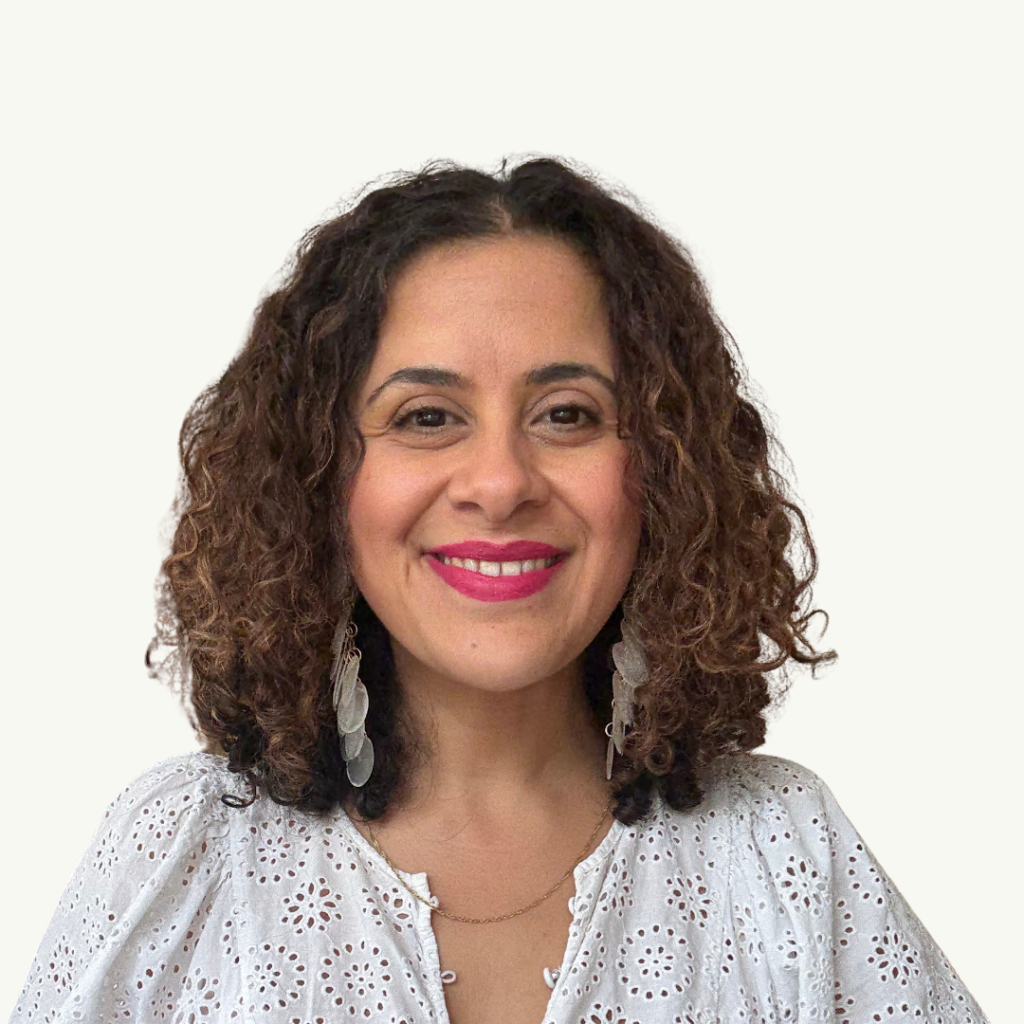
Sylvia’s story: Faith, ministry, and real doubt
Sylvia grew up in a Christian family where “church really determined the rhythms of our life.” But the topic of doubt wasn’t theoretical for Sylvia. It was, and is, personal.
“My mom passed away when I was still in high school after a long battle with cancer. And I think that was the first time I personally questioned, ‘Is God good?’”
After her mother’s death, most of her siblings stopped going to church. “It was the first time I realised church was an option,” she said, and she began having questions she felt she couldn’t voice out loud, especially while actively serving in ministry.
“I loved serving and I was afraid that if I talked to people about it I would not be able to serve anymore… I was afraid that people would just think I was faking my faith.”
When doubt becomes overwhelming
Sylvia described seasons when doubt became debilitating, particularly during Bible college.
“I remember being in the middle of an intensive studying the Psalms. We were learning about the Messianic psalms, those that teach us about who the Messiah was to be, and I felt like I was in one of those old cartoons with a good angel and a bad angel on my shoulders. And the bad angel was like, ‘This is all very convenient and none of it adds up.’ And the good angel had nothing to say.”
She worried about what would happen if she said out loud, “What if none of this is true?”
Eventually, Sylvia came back to what she could affirm intellectually and historically.
“Do I believe that Jesus was a real man? Yes… And I believe that people were willing to die proclaiming the significance of his death and resurrection.”
But doubt didn’t disappear forever. Years later, sitting in church as a minister’s wife and Deaconess, she thought, “That’s not possible. This isn’t a possibility at all.”
This time, she spoke up.
“It’s okay”: The power of being pastored in doubt
In a Bible study group, an older woman gently responded, “It’s okay.” She encouraged Sylvia to read Mark 9, where the father says to Jesus, “Lord, I believe; help my unbelief.”
“That recommendation of Mark 9:24 just became my prayer… ‘Lord, help my unbelief.’”
More than a verse, it was the beginning of being cared for in doubt.
“She really cared for me in my doubt and asked about my wrestling with faith. It was the first time I had felt pastored or cared for in my doubt, because it was the first time I had spoken it out loud.”
That experience now shapes how Sylvia approaches this topic and her ministry.
Why talk about doubt with teenagers?
Sylvia believes doubt often feels unspeakable, especially for Christian teenagers.
“These young people are often dealing with their friends’ doubts, on the receiving end of their questions, and then may have their own doubts too.”
Through the seminar, she wanted to create “a space for them to ask their questions with safety… to feel a bit less alone… and to know that there are both spiritual and intellectual answers to our doubts.”
From her personal experience, as well as ministry experience as a school chaplain and youth camp speaker, she has seen many young people feel pressured to have answers without having space to process their own questions.
“So many of them felt for the first time that they could be a Christian and have questions, and one didn’t cancel out the other.”
What Scripture shows us about doubt
A key part of the seminar was helping youth see that doubt is not foreign to the Bible.
“In reading Scripture, we see stories of incredible faith, but the incredible faith doesn’t happen in a vacuum.”
Sylvia pointed to Abraham and Sarah, Job, the Psalms, and Thomas.
“God doesn’t punish them for their doubt. He doesn’t break his promise to them because of their doubt. He holds his promise.”
Thomas, she noted, is met by Jesus “compassionately and lovingly,” and later becomes “one of the great missionaries who brings the gospel to South Asia.”
Two verses anchored the seminar:
- “I believe; help my unbelief.” (Mark 9:24)
- “If we are faithless, he will remain faithful, for he cannot disown himself.” (2 Timothy 2:13)
Sylvia says, “God is faithful and his faithfulness isn’t dependent on us.”
Practical takeaways for youth and leaders
Sylvia left the youth and leaders with clear, pastoral encouragement.
First, “if you’re doubting, it’s okay to talk to God about it.” The Psalms give language for questions, anger, and confusion.
Second, “our doubts only have power in our fear and in the darkness.” Speaking them out loud in gospel community brings light.
Third, don’t process doubt alone, or online. “These things are best done in relationship… with real embodied humans who are invested in you as a person.”
For leaders, Sylvia urged two things: don’t be afraid of doubt, and don’t be afraid to say, “I don’t know.”
“Journeying with young people in how they find the answers is really important.”
Sylvia hopes, “that kids will not be afraid of doubt, and that they will trust that God is with them in the doubt.”
She encouraged leaders to pray for their youth by name, committing those who doubt into the hands of Jesus, the good shepherd, who “knows his sheep by name.”
